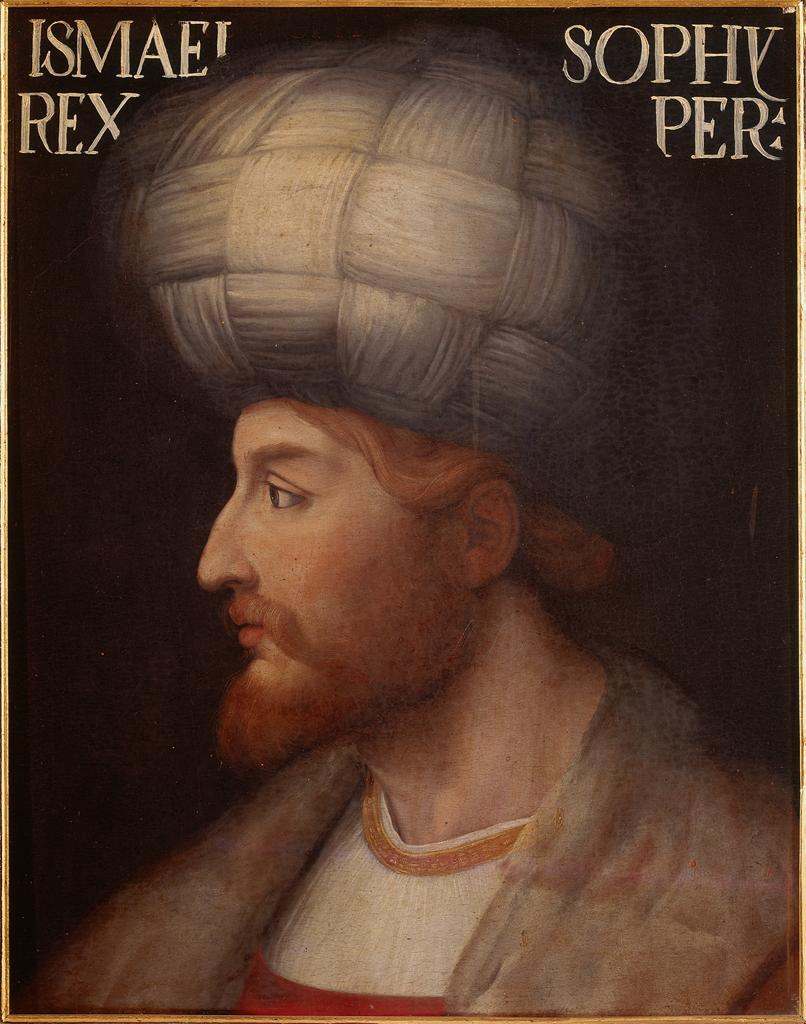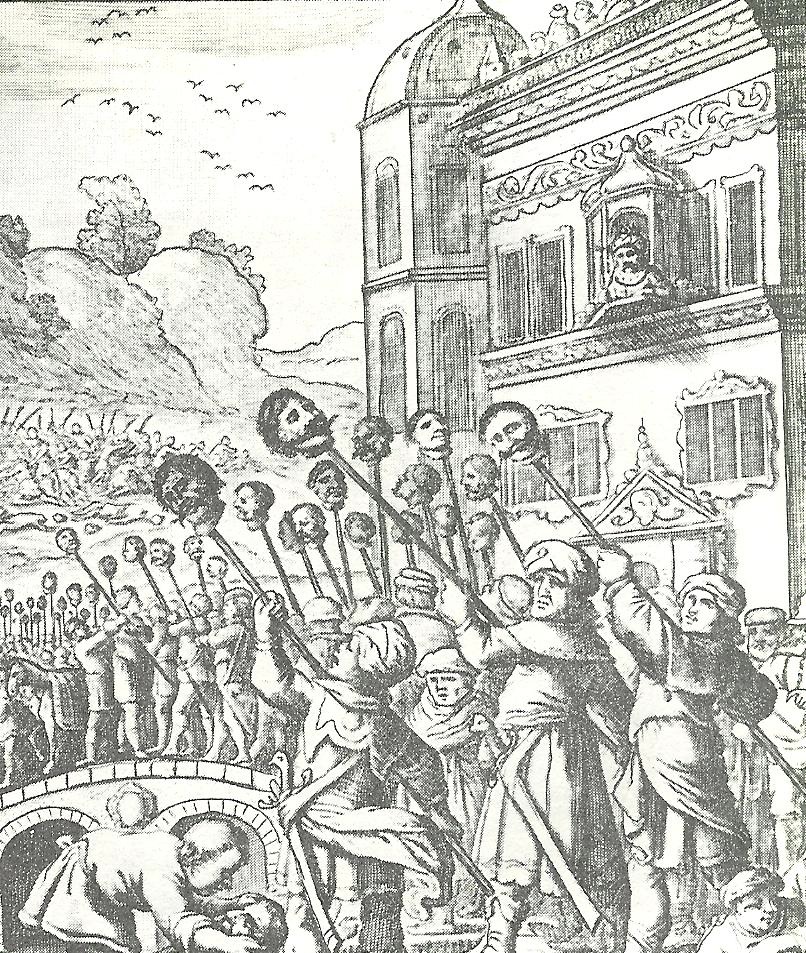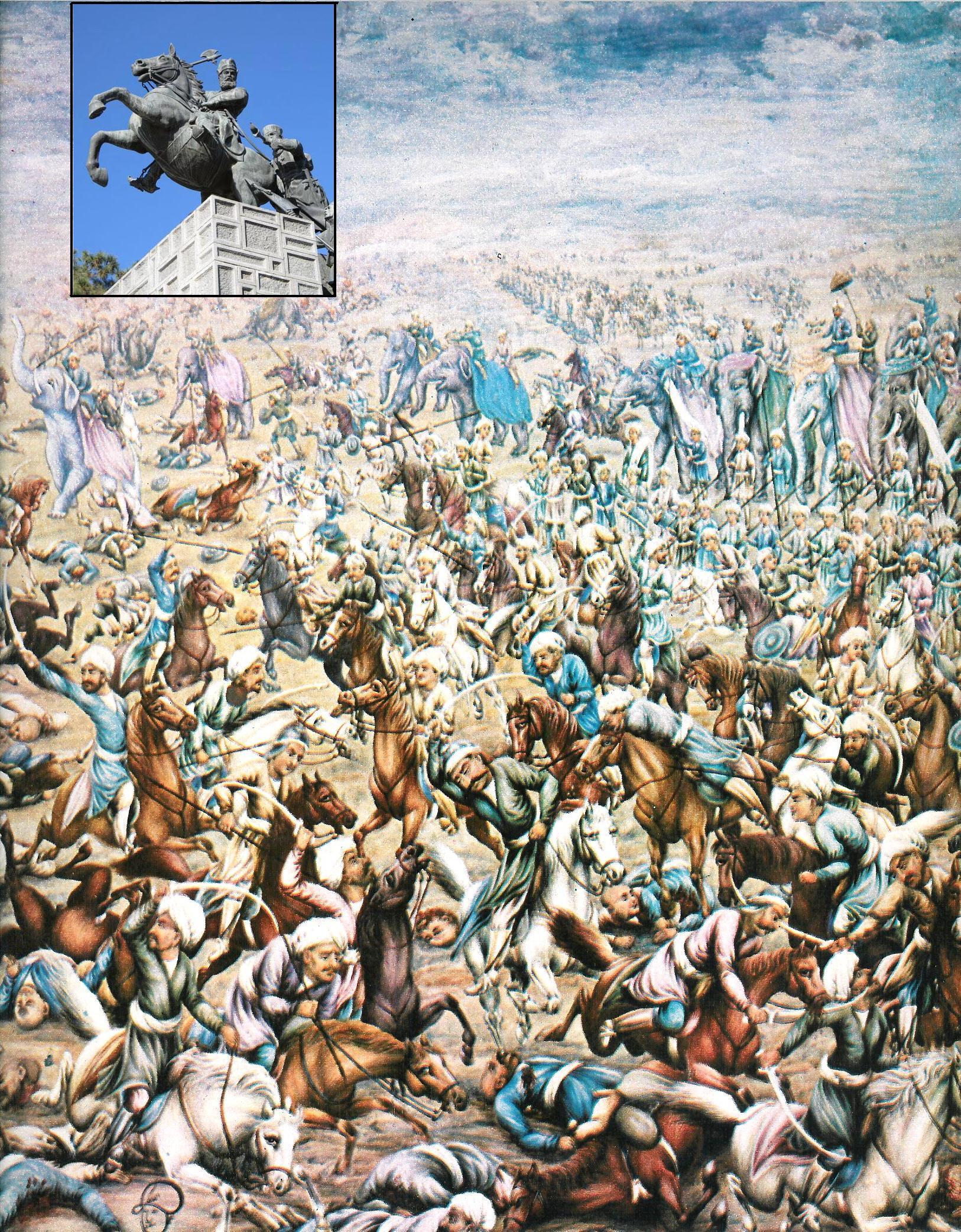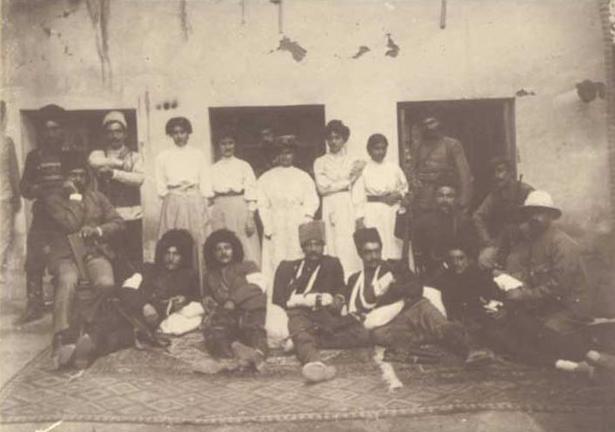
Iran at War: 1500-1988. Osprey Hardcover 480 pages, released May 24, 2011 • ISBN: 978-1-84603-491-6. Contact: John Tintera, Marketing Director @ 718/433-4402, [email protected].
To order consult Chapters-Indigo or Amazon.
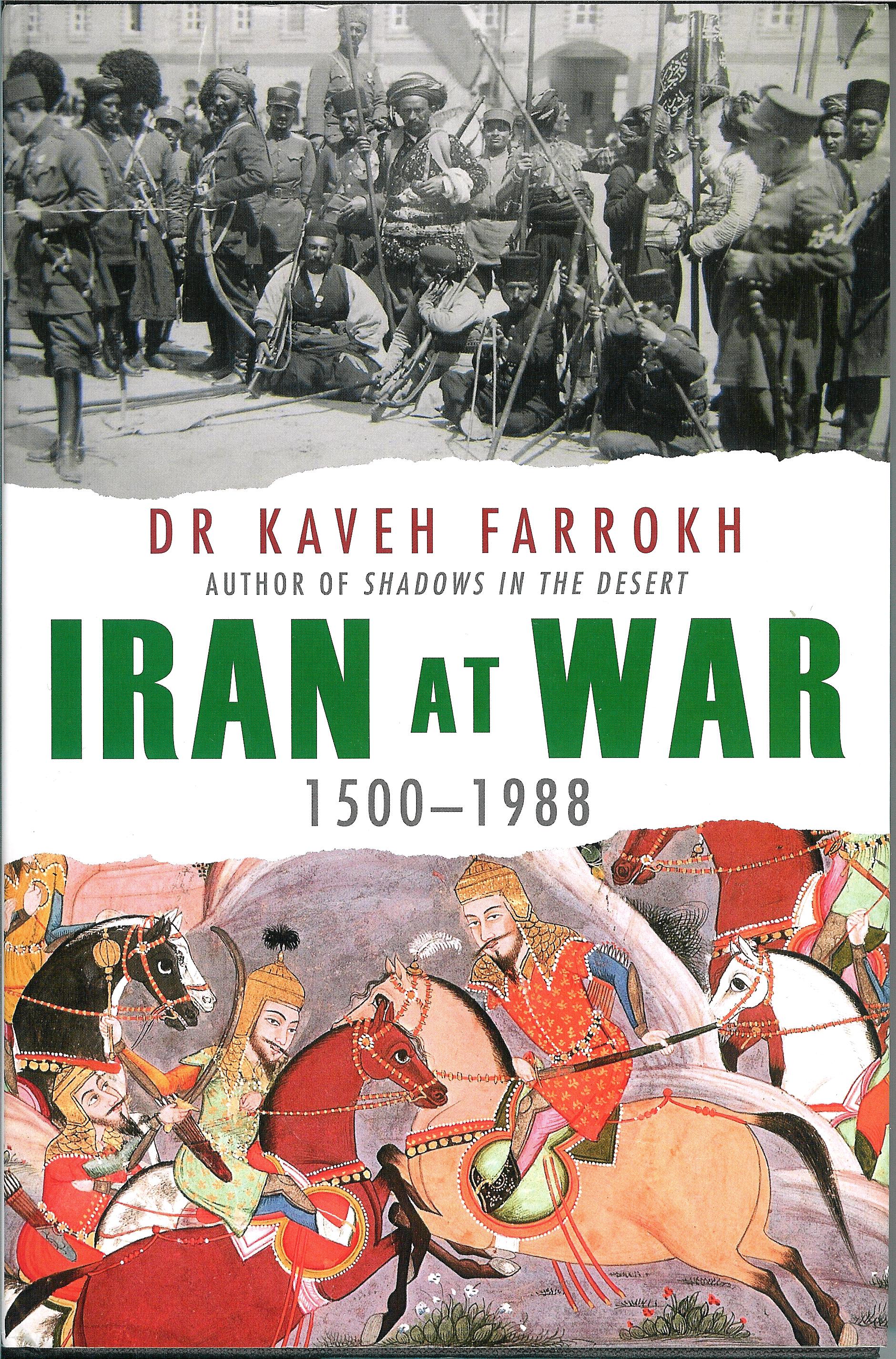
Kaveh Farrokh’s third textbook, Iran at War: 1500-1988 (Osprey Publishing, 2011) has also been translated into Persian in 2018 by one of the most prestigious academic Persian-language publishing houses, known as Qoqnoos Publishers (انتشارات ققنوس). The translation (ایران در جنگ) has been conducted by Maryam Saremi. Qoqnoos has translated into Persian academic textbooks by scholars such as David Nicolle, Josef Wiesehofer, Duncan head, Touraj Atabaki, Nino Piglokevskaya, Sandra Mackey, Touraj Daryaee, Mohammed Dandamaev, Agrar Aliev, Christopher Foster, and Mary Boyce.
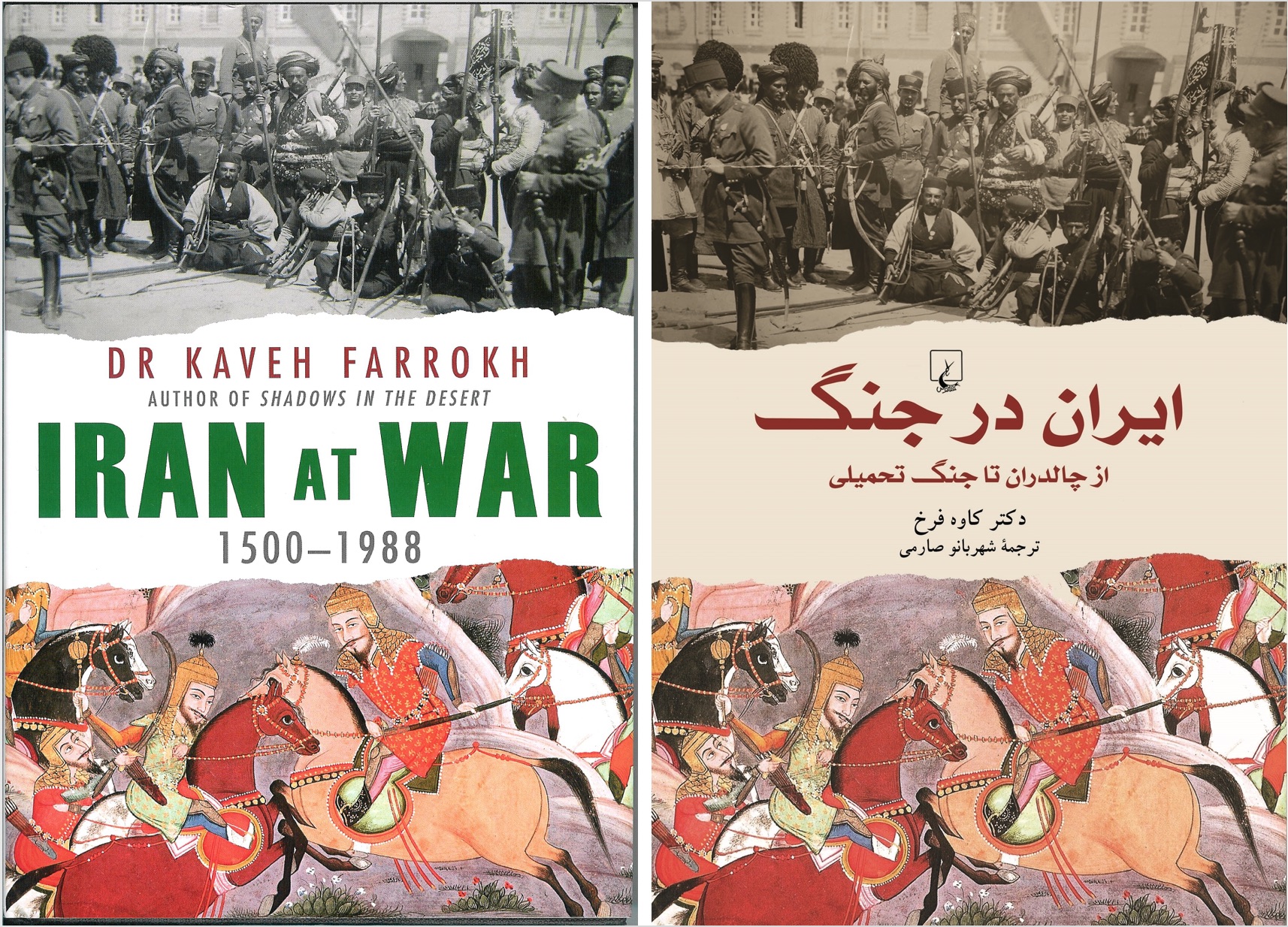
Cover pages of Iran at War (1500-1988) (Left) and the 2018 translation “ایران در جنگ” by Maryam Saremi of Qoqnoos publishers (Right). Iran at War is Farrokh’s third textbook on the military history of Iran. The total number of translations of Farrokh’s first three books are now seven (discussed further below). To date (Fall of 2018), Farrokh has published and co-authored eight textbooks on the Military History of Iran (three have been published in 2018).
The publishing of the Persian translation of “ایران در جنگ” (Iran at War) has been announced by major Persian-language news outlets such as:
- Tasnim News (September 22, 2018/31 Shahrivar 1397): ایران در جنگ از چالدران تا جنگ تحمیلی” منتشر شد “
- Saba News (September 8, 2018/17 Sharivar 1397): کتاب »ایران در جنگ« نوشته کاوه فرخ با ترجمه شهربانو سارمی
- Ibna (September 28, 2018/6 Mehr 1397): ققنوسی که در طول تاریخ بارها و بارها از خاکستر خویش برخاست
- IRNA (September 22, 2018/31 Shahrivar 1397): ایران در جنگ؛ جستاری در تاریخ جنگی خونبار ایران
- Miras Maktoob (August 26 2018/4 Shahrivar 1397): سرنوشت ایران از جنگ چالدران تا جنگ تحمیلی
Review: Wall Street Journal and Reuters

The Wall Street Journal and the Reuters News Service recently published a review which has also appeared on ,The New York Herald, ABC News (ABC 13, ABC 18, ABC 40), NBC News (NBC 6, NBC 10, NBC 12, NBC 38), CBS News (CBS 9), Fox News (Fox 19, Fox 26, Fox 28, Fox 42, Fox 54) and The Nashvile News. See also Payvand News of Iran report. The University of British Columbia’s Faculty of Arts has also announced this book on Twitter.
Below are portions of the review on the Wall Street Journal – kindly note that the pictures inserted in the text below have not appeared in the Wall Street journal:
Kaveh Farrokh is an expert on Persian languages and Iranian history whose new book, Iran at War: 1500-1988, provides a full examination of modern Iranian military history… His previous title Shadows in the Desert: Ancient Persia at War (Osprey, 2007) was named “Best History Book” by the World Academy of Arts Literature and Media in 2008. Dr. Patrick Hunt at Stanford University, said this about it, ”… a book for all who have ever been curious about the ‘other’ view on Persia, not from the Western standpoint rooted in Greece, but from the traditions of the Persians themselves… Meticulously researched and documented….
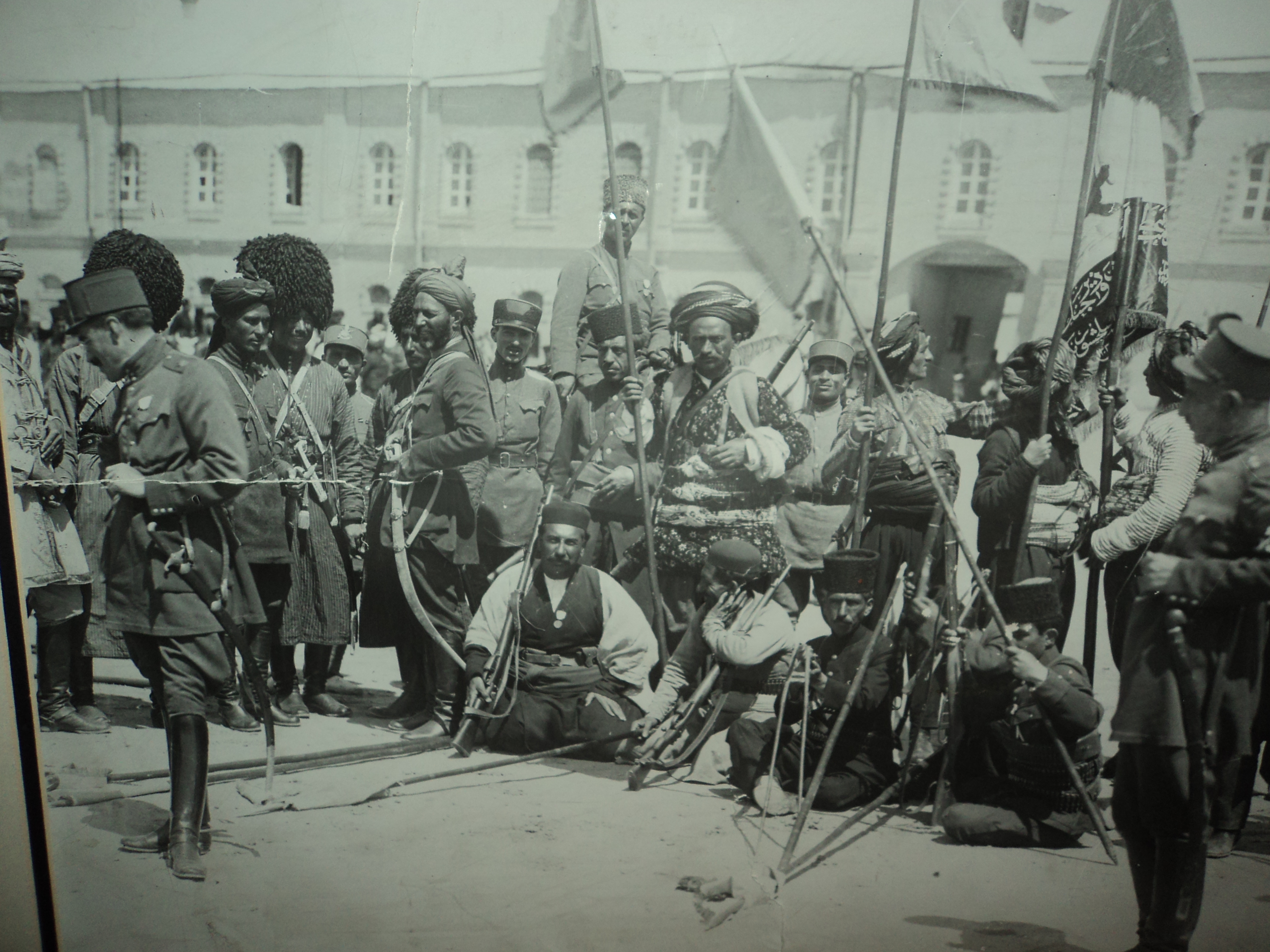
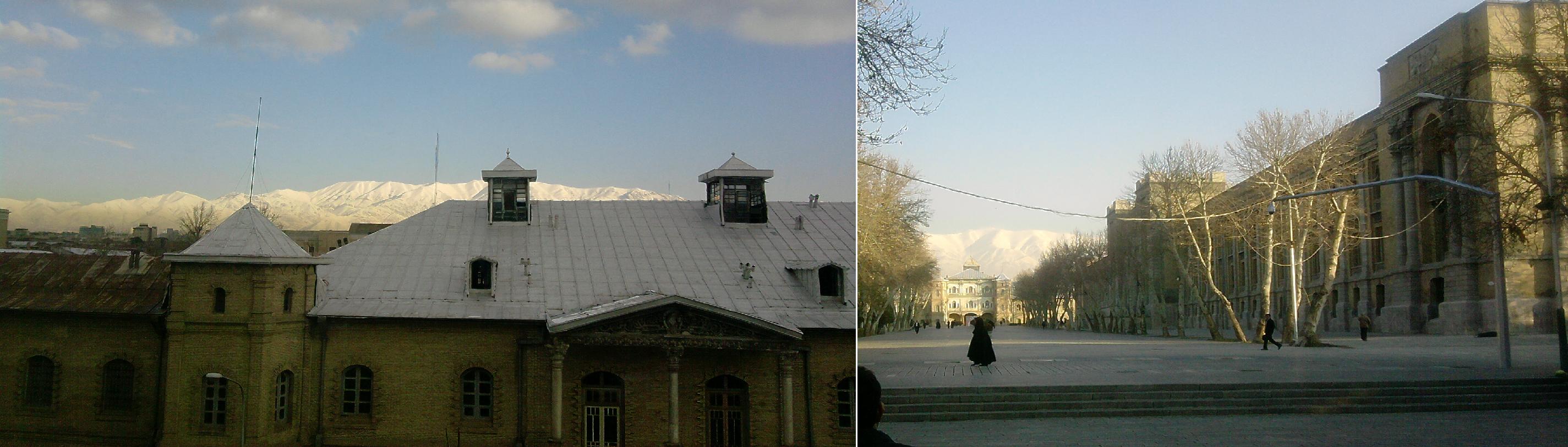
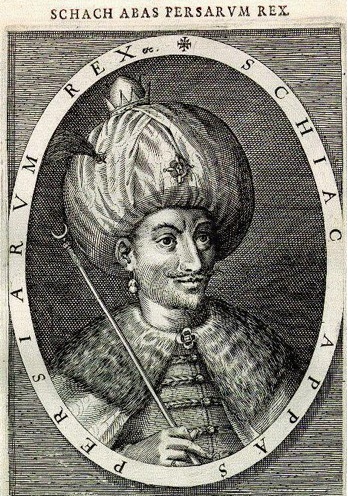
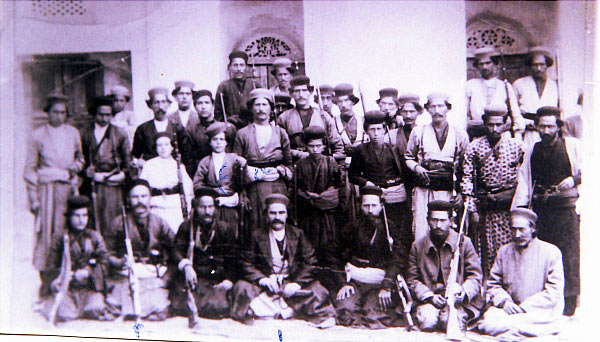
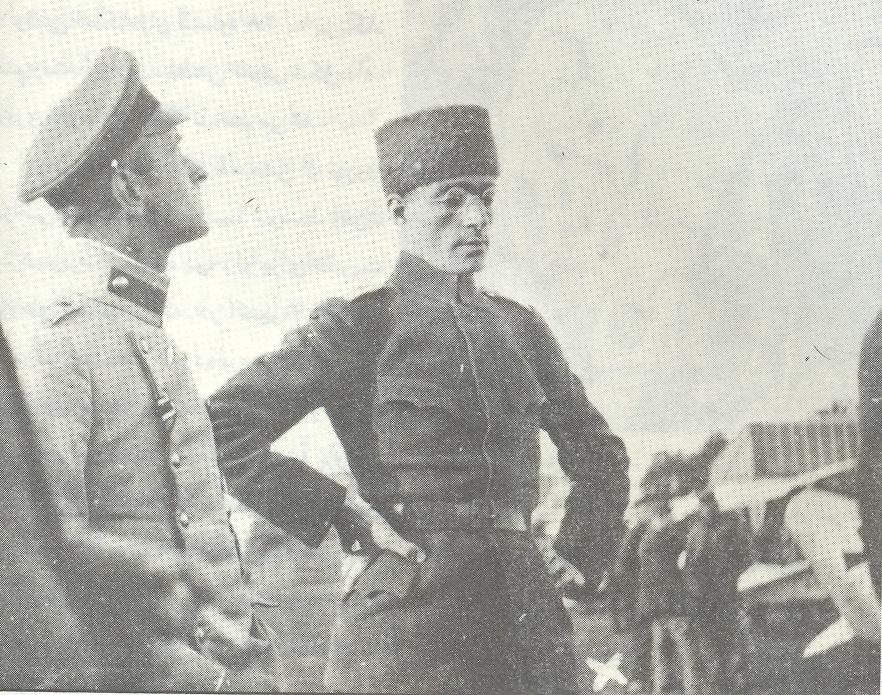
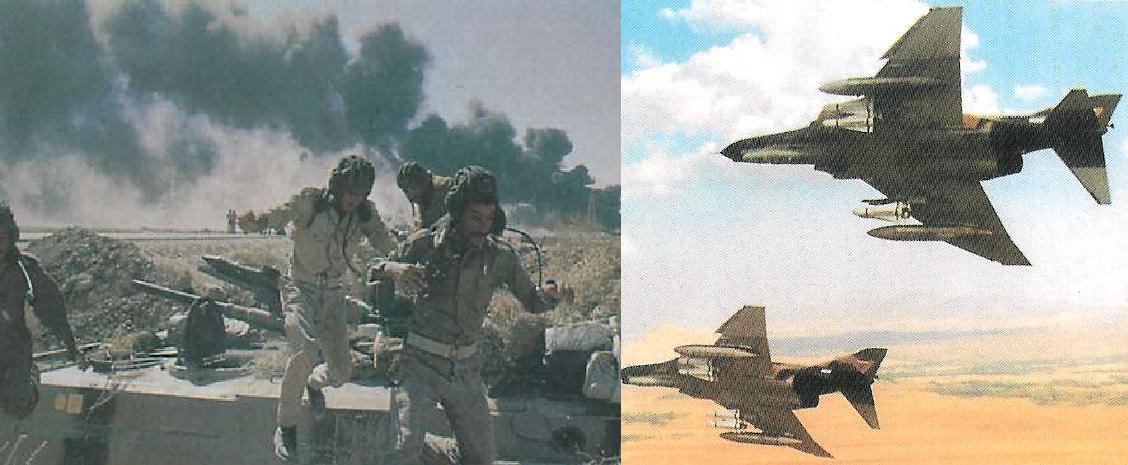
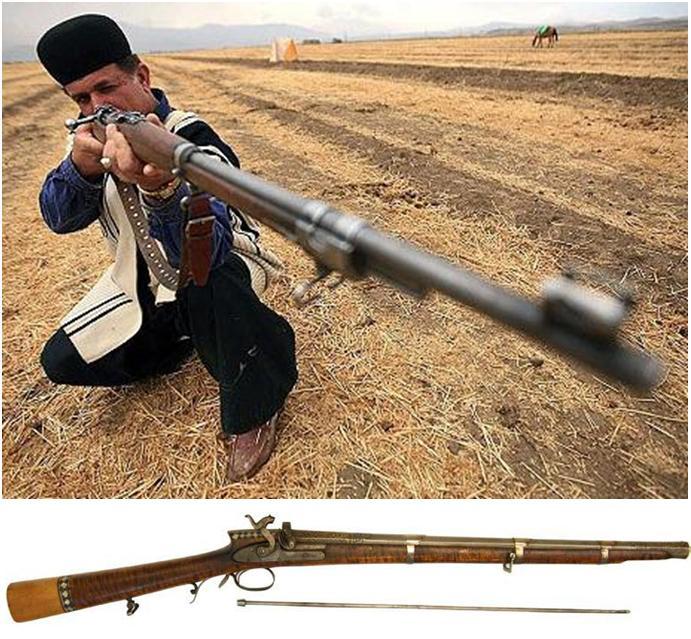
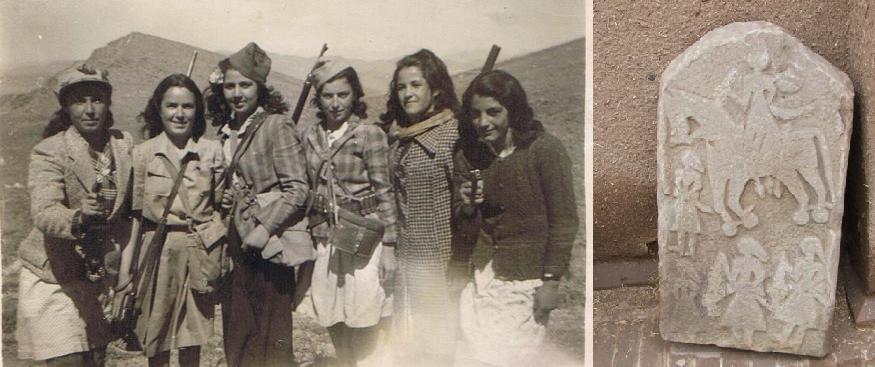
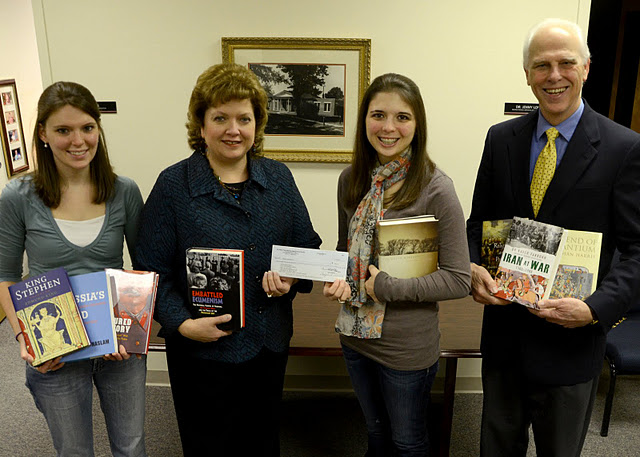
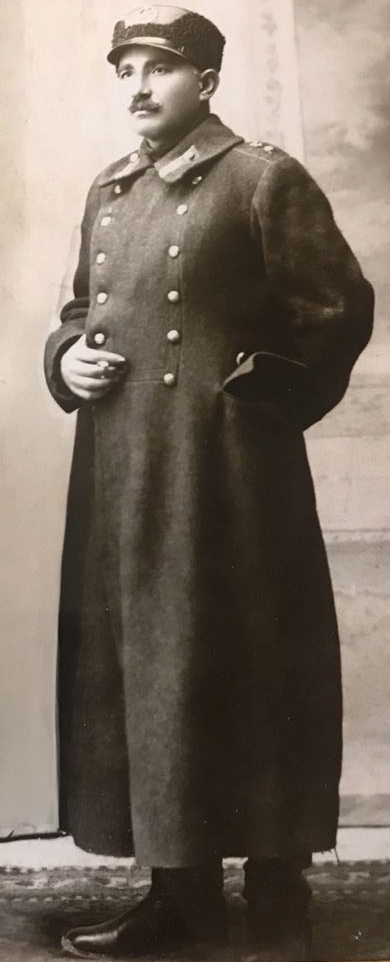
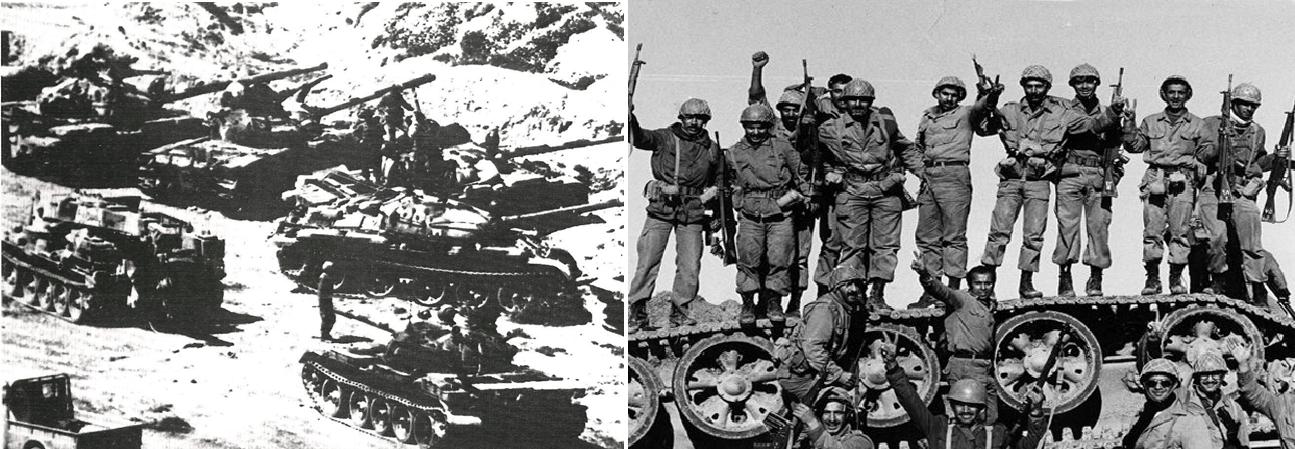
Cover jacket of Iran at War: 1500-1988. [CLICK TO ENLARGE] The above assembly area as it appears today in Tehran 2011. As noted in the above 1926 photo, the assembly area seen in the previous photo was the Iranian Army headquarters -ستاد ارتش- at the time which today is the Iranian University of the Fine Arts -دانشکده هنر-. This is a very large building – the southern and western angles of this building are connected to the Iranian Ministry of Foreign Affairs- وزارتخارجه -. A beautfiul building known as the “Hakhamaneshi” [Achaemenid] -هخامنشی- which has been built in the Persepolis style is now the Ministry of Foreign Affairs – وزارتخارجه-and is located to the south of the former Iranian Army Headquarters. The above photos were taken in 2011 from the southern angle of the assembly area. -دو عکس از نمای جنوبی همان ساختمان است -محوطه ساختمانی که قبلا ستاد ارتش بوده و الان دانشکده هنر است ساختمان بسیار بزرگی است ضلع جنوبی و غربی آن به ساختمانهای وزارتخارجه وصل است. ساختمان بسیار زیبای معروف به هخامنشی که به سبک تخت جمشید ساخته شده و الان متعلق به وزارتخارجه است در ضلع جنوبی آن است- As further noted by The Wall Street Journal: “…Iran at War begins where Shadows in the Desert ended, with the Arab conquest of Persia and the rise of Islam in the mid-7th century. Farrokh then describes the pivotal 16th century which saw the rise of a powerful family, the Safavids, which ruled Iran for 200 years. During the Safavid period, a strong, secular-minded central government fielded an army that was able to stare down threats from the Turks, Arabs, and Russians in the west and the Uzbeks and Afghans in the east. According to Farrokh, the push south, east, and west from Iran’s hostile neighbors during this era foreshadowed security threats it has faced down to the current day …For readers interested in geopolitics, Iran at War provides much needed insight into “the state of mind” of the Iranian people…that set the Iranians apart from their neighbors. His analysis of the Iranian revolution in 1979 and the subsequent Iran-Iraq war provides important background information…” A European copper engraving of Shah Abbas made by Dominicus Custos citing him as“Schach Abas Persarum Rex” or “Shah Abbas the Great monarch of Persia”. Shah Abbas’ victories over the Ottomans weakened them against the Europeans to the West, and especially in the Balkans and Eastern Europe. Note how Custos makes a particular emphasis on linking Shah Abbas to the “Mnemona Cyrus” (the Memory of Cyrus the Great of Persia). -دلیران تنگستان در کنار رئیس علی دلواری -The warriors of Tangestan in the early 20th century. These proved to be highly resilient and determined fighters and often fought hard against imperial British troops inside Iran, especially in 1856 and during World War One (picture forwarded to Kavehfarrokh.com by Parviz Khoupai). Colonel Taghi-Khan Pesyan (1891-1921) in Imperial Germany (note German officer to the left) during World War One (Picture from page 143, Mehdi Farrokh, “Khaterate Siyasiye Farrokh” [Political memoirs of Farrokh], Tehran: Amir Kabir Publications, 1968). Mehdi Farrokh noted that Pesyan was”Motehaver” [ultra-courageous]. Pesyan had in fact flown several combat missions for the German air force during World War One, reputedly shooting down up to 25 British aircraft. It is believed that Pesyan was decorated with the “Eisernes Kreuz” [Iron Cross] by the Germans for his daring exploits in air to air combat. Review: Small wars Journal Kaveh Farrokh’s third text. Iran at War: 1500-1988-(ایران در جنگ (۱۹۸۸-۱۵۰۰– has been reviewed in the Small Wars Journal by Youssef Aboul-Enein on July 12, 2012. The review by Youssef Aboul-Enein opens in the following fashion: Dr. Kaveh Farrokh … has published a timely volume immersing readers in five centuries of how Persians have waged and conducted war. The book delves deeply into the history and psychology of warfare and provides a grounding of how Iranians see threats and challenges today. The book begins with the Safavids, the empire that ruled Persia from 1501 to 1736, and was largely responsible for imposing Shiism in the region, making it the state religion and forcing the conversion of Sunni Muslims, Jews and Zoroastrians. His insights are fascinating, and include the caste system introduced by the Arabs when they conquered Persia, which led to a yearning for an Islamic system that incorporated and respected Persian identity. Shah Ismail I, the founder of the Safavid Empire, is detailed and we see a military leader who although was merciless towards Sunnis, personally provided medical care to his soldiers. Shah Ismail would battle the Uzbeks, Portuguese, and Ottoman. [Click to Enlarge]Shah Ismail as depicted by a European painter – the painting is now housed in the Uffizi Gallery in Italy. Note the Latin terms “Rex Persareum” [Monarch of Persia] which makes clear that Shah Ismail was the king of Safavid Persia or Iran. Despite being hopelessly outmatched by the Ottoman armies in manpower and firerams, Ismail stood his ground in Chaldiran on August 23, 1514. Despite their victory, the Ottoman Turks, who had also sufferred heavy losses, failed to conquer Iran. Note then the following observation about the Safavids by Youssef Aboul-Enein: It was under Shah Abbas I that the Persian army began to acquire gunpowder, and readers will be surprised to learn of the intrigues between the Shiite Muslim Empire of the Safavids and various European monarchs wanting to use the Safavids to divert the growing power of the Sunni Ottoman Empire. Imagine what the Ottomans could have accomplished if it were not for the Shiite Safavid Empire challenging the eastern edges of their empire. Rare drawing by a European traveller who witnessed the aftermath of the liberation of Tabriz by Shah Abbas I on October 21, 1603. Local Azari citizens welcomed the Iranian Safavid army as liberators and took harsh reprisals against the defeated Ottoman Turks who had been occupying their city. Many unfortunate Turks fell into the hands of Tabriz’s citizens and were decapitated (Picture Source: Matofi, A., 1999, Tarikh-e-Chahar Hezar Sal-e Artesh-e Iran: Az Tamadon-e Elam ta 1320 Khorsheedi, Jang-e- Iran va Araqh [The 4000 Year History of the Army of Iran: From the Elamite Civilizaiton to 1941, the Iran-Iraq War]. Tehran:Entesharat-e Iman, p.63). Had the Ottomans not been embroiled in Iran and the Caucasus, their armies could have advanced much deeper into Europe. Youssef Aboul-Enein then notes the following regarding the military career of Nader Shah: The section on Nader Shah is exquisite, and contains a few unique tactical innovations, like the use of camels with incendiary materials sent within the ranks of Elephants causing them to panic and turn against their Mugal opponents. Reading Nader Shah’s campaigns matter for it will give you a grounding on fighting in the terrains as varied as Iraq to Afghanistan. After the Shah Tahmasp I was attacked by the Ottomans, Afghans and Russians, the Safavid Persian Empire was carved up between these powers. Nader Shah would reorganize the Persian Army and would be instrumental in restoring the Persian Empire created by Shah Ismail and Abbas, he would also put aside the weak figurehead Shah Tahmasp II and assume rule evolving from Nader Khan to Nader Shah, he is right or wrong Islam’s Napoleon and just as controversial. Nader Shah use of a highly mobile light cannon, the Zanbourak, that can be packed on camels and set up quickly to amass firepower is a must read. The review then discusses the book’s sections on the Zands, Qajars, and Pahlavis. Youssef Aboul-Enein then concludes: The section on the Iran-Iraq War is a must read and offers a fresh narrative of the tactics used by the Islamic Republic against Saddam’s armies. My only critique is that I would have liked to have seen a discussion or even section on Iranian use of proxies like Hizbullah to asymmetrically undermine their adversaries. That said, the book is recommended for anyone interest in warfare generally, the Middle East, and even Afghanistan. In short, this is the kind of book worthy of discussion in America’s War Colleges of the 21st century. Review: Robert Terpstra of Business Today (Egypt) Robert Terpstra has written a review for Iran at War: 1500-1988 in The Business Daily Egypt (dated September 12, 2011). “Documenting nearly five centuries of history is no small feat, and Kaveh Farrokh does it well in Iran at War: 1500–1988. Maybe not quite at the reading level of the titans of the seminal authors of history in Toynbee and Gibbon, but Farrokh is still able to hold his own even if it mimics Gibbon is in his incredibly uncanny gift for storytelling and the often laborious, but detailed account of key figures and dates on history’s battle grounds. [CLICK TO ENLARGE] A painting of the Battle of Karnal (February 22, 1739) made by Mosavar ol-Mamalek.The battle ended in an overwhelming victory for Nader Shah (see his statue in the inset photo). The Iranians then occupied Delhi and captured India’s royal jewels. Some Indian historians (i.e. Sarkar) have argued that India was severely weakened by Nader Shah; this allowed the British Empire to easily spread its dominance over the entire Indian subcontinent just decades after the battle of Karnal (picture source: R. Tarverdi (Editor) & A. Massoudi (Art editor), The land of Kings, Tehran: Rahnama Publications, 1971, p.228). Terpstra further notes: What is refreshing, however, is that the book discusses the Islamic Republic of Iran without painstakingly rehashing the Islamic Revolution, which appears in just about every book on the country. This is apparent when one visits the country, as I did in 2010. When traveling to Rasht in the north, as well as Tehran, Khorramshahr, Isfahan and Mashhad…a country obsessed with the past …And Farrokh truly takes advantage of this by writing this narrative.” Armenian wounded fighters who fought alongside the Iranians to establish democracy in Iran in the early twentieth century. Known as the Constitutional Movement, this was the first democracy movement in the History of Western Asia. This movement was militarily suppressed by Czarist Russian troops before World War One with the tacit approval of British Foreign Secretary Sir Edward Grey (in office 1905-1916) (photo forwarded to Kavehfarrokh.com by Parviz Khopai). Terpstra further avers: As the title rightly indicates, the subject matter is simply that: war. And through six separate, yet interrelated, chapters, Farrokh interweaves his way through the Safavid Dynasty, the rise of Nader Khan in the mid-18th century, the all-important Qajar Dynasty that ruled until the close of World War I before Reza Khan and his son, Mohammad Reza Pahlavi…the downfall of the shah …return of Ayatollah Khomeini; and the rest is history. Tayyara! Tayyara! (Arabic: Airplane! Airplane!). Iraqi crew of a BMP invading Iran in 1980 (at left) abandon their vehicle in haste at the sound of the roaring engines of two US-made Iranian F-4E Phantoms. Iranian Phantoms (at right) were also reported to be flying just meters above ground level to fire their 20mm cannon at Iraqi tanks and armored vehicles (Picture Source at left: www.Acig.org; Picture Source at right: Farrokh, 2011). Review by -کتابخانه، موزه و مرکز اسناد - Iran Library, Museum and center of Manuscripts The Farrokh book has been reviewed by the Iran-based Library, Museum and Center of Manuscripts (see also –ارایه کتاب «ایران در جنگ: ۱۹۸۸-۱۵۰۰» در کتابخانه مجلس-). Below is one excerpt of that review: -فرخ با تحلیل جنگ های مذهبی و غیرمذهبی رخ داده در این مدت به ما نشان می دهد که چگونه ایران از همه طرف (شرق، غرب، جنوب) و در دوره های مختلفی مورد هجوم همسایه هایش قرار گرفته است… تحلیل های فرخ از انقلاب اسلامی و جنگ ایران و عراق، اطلاعاتی در مورد پیشینه نظامی ایران در اختیار ما می گذارد که تا به حال مطرح نشده است.- “Farrokh has analyzed the religious and non-religious wars and has demonstrated how Iran has been attacked by its neighbors from all sides (east, west and south) over several periods…Farrokh’s analyses of the Islamic revolution and the Iran-Iraq war provides us information that has hitherto remained unmentioned…” [Click to Enlarge] Modern-day Lur rifleman of the type that formed the backbone of the armies of Karim Khan Zand (1705-1779) (Picture source: courtesy of Mehdi Dehghan). .At bottom is is an Iranian gun with a British percussion cap mechanism fitted to the barrel from the Zand era (Picture source: Khorasani, Maouchehr, Mosthagh (2009), Persian Firearms part Three: The percussion Cap Lock. Classic Arms and Militaria, pp.22-27). The review concludes by noting that: -جمع آوری و طبقه بندی اطلاعات تاریخی حدود ۵ قرن یک کشور کار بسیار دشواری است و به نظر می رسد کاوه فرخ، به خوبی از پس آن برآمده است- “The compilation and categorization of historical information spanning five centuries is a very difficult task and it would seem that Kaveh Farrokh has done well in achieving this.” [Click to Enlarge] (Left) Young Lur women from Malayer pose with their pistols and rifles circa early 1960s. The women of Luristan often accompanied their husbands to battle in the armies of Karim Khan Zand and were famed for their skills with firearms, archery and horseback riding. Many of these traditions endure to this day among the Lurs. (Picture source in Facebook, with special thanks to Shahyar Mahabadi and the Moradi clan) (Right) Pre-Islamic tombstone of a female warrior in Malayer. Iranian women have often been cited as warriors, one example being the presence of female fighters in the armies of Shapur I in the 3rd century AD (Picture source in Facebook, with special thanks to Shahyar Mahabadi and the Moradi clan). Citation by Union University’s Department of History The Union University’s Department of History cited the following report below on Nov.17, 2011- “Union’s Delta-Psi Chapter of Phi Alpha Theta History Honor Society presented a Best Chapter Award check to the Summar Library on November 16, 2011 to pay for several history books that the library purchased at the request of the chapter. Chapter President Caitlin Roach gave the check to Library Director Anna Beth Morgan, while Delta-Psi Vice President Savannah German and faculty advisor Dr. Stephen Carls participated in the ceremony by holding some of the requested books…The purchased books included…Iran at War: 1500-1988 by Kaveh Farrokh…” (for full report click here…) Select history books cited by Union University in November 2011 – note Union University History Department Chair, Professor Stephen Carls (at right) displaying a copy of Farrokh’s Iran at War. Kaveh Farrokh was interviewed in 2019 by Iran’s prestigious newspaper, Etemad (equivalent of the New York Times in the West) – See interview here: کفتگو با کاوه فرخ در مورد کتاب ایران در جنگ. روزنامه اعتماد صفحه 15 اندیشه یکشنبه 30 دی ماه 97-Interview with Kaveh Farrokh on “Iran at War” book, Etemad Newspaper, Jan.20, 2019. Note also that Qoqnoos had already translated into Persian another of Kaveh Farrokh’s books, “Shadows in the Desert: Ancient Persia at War” (2007), in 2011 (translator: Maryam Saremi). There are two other translations of “Shadows in the Desert”: In addition, Kaveh Farrokh’s first book, Elite Sassanian cavalry (2005, Osprey Publishing) has been translated thrice the following: Undated photo of Colonel Haji Khan Pirbastami before his final mission to fight the Bolsheviks invading northern Iran in c.1926-1927. Haji Khan believed in the concept of fighting alongside the troops he commanded. Fate finally caught up with him as he was engaged in close quarters fighting against the Bolsheviks. As he was locked in hand to hand combat, one of the Bolsheviks shot him at close quarters. Although Haji Khan did survive the battlefield, he had to be bought back from the north to Tehran for medical treatment. Haji Khan reached the capital city but it was already too late: he finally succumbed to his wounds shortly thereafter. TV Interviews in 2011 Farrokh has been interviewed regarding iran at war in Voice of America, (August 14, 2011) and Pars TV (August 27, 2011). -ایران در جنگ اثری از کاوه فرخ – Farrokh being interviewed by the Voice of America in New York on August 14, 2011, [CLICK TO ENLARGE] –Elements of the Iraqi 12th Armored Division assemble at Fakkeh (in the Dezful area) on March 23rd 1982 to rescue remnants of the Iraqi 4th Army Corps crushed by a powerful Iranian offensive (Left – Steven J. Zaloga, Modern Soviet Combat Tanks, Osprey Vanguard 37, pp.32). As these units deployed to attack, they were bombed and strafed by up to 95 Iranian F-4 and F-5 combat aircraft. The Iraqi 12th Armored Division was virtually eliminated. At right are Iranian regular army troops atop an overturned Iraqi tank of the 12th armoured division (source: www.shahed.isaar.ir). Note that the vehicle has been overturned as a result of aerial bombardment by Iranian F-4 and F-5 combat aircraft. For more see Pars TV (August 27, 2011). Radio Interviews in 2011